
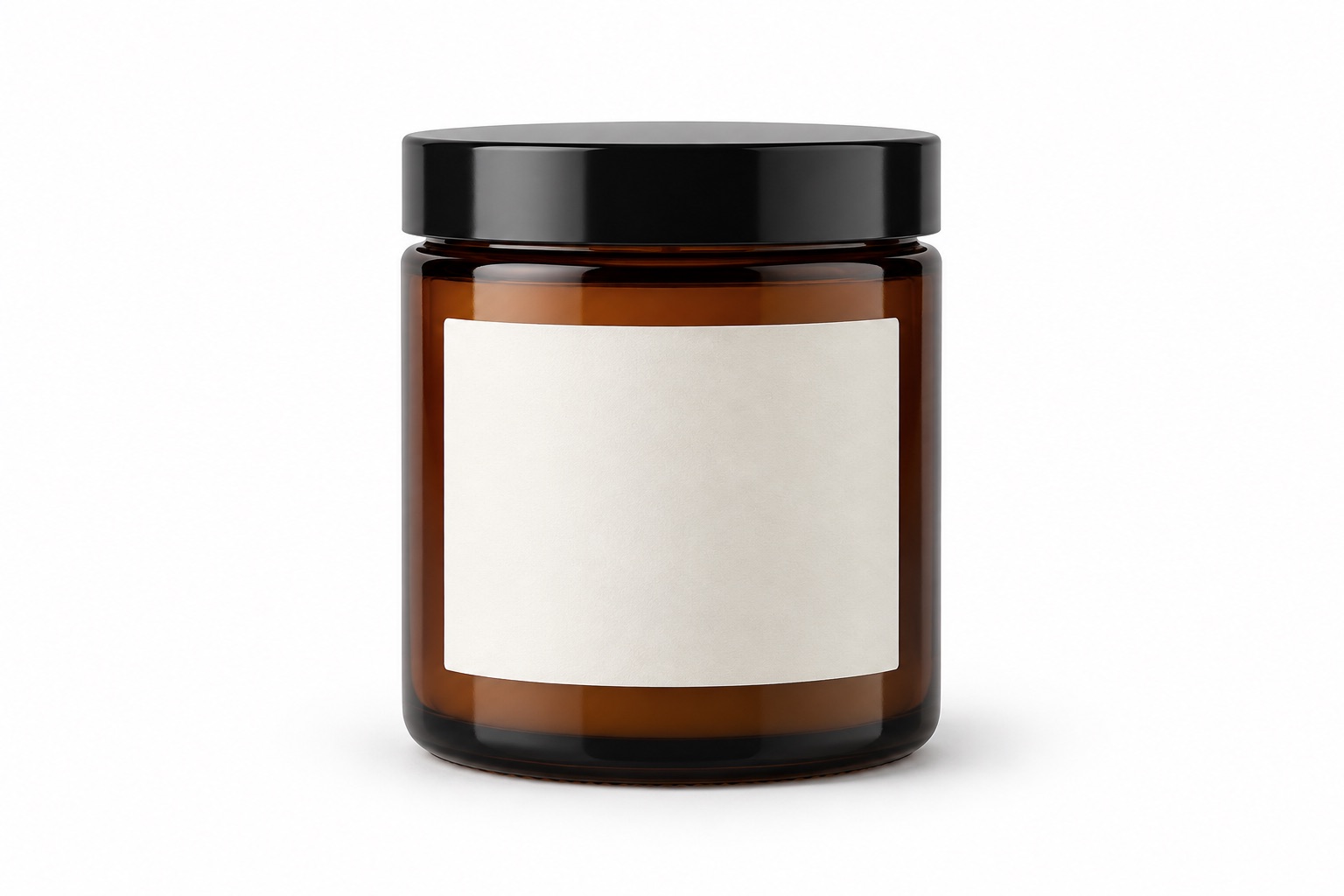
What each type of image needs to do
A packshot gives a clear view of the product itself: its shape, finish, packaging and relevant details. It usually uses a simple background and repeatable framing. This makes it useful for product listings and catalogues where people compare items side by side.
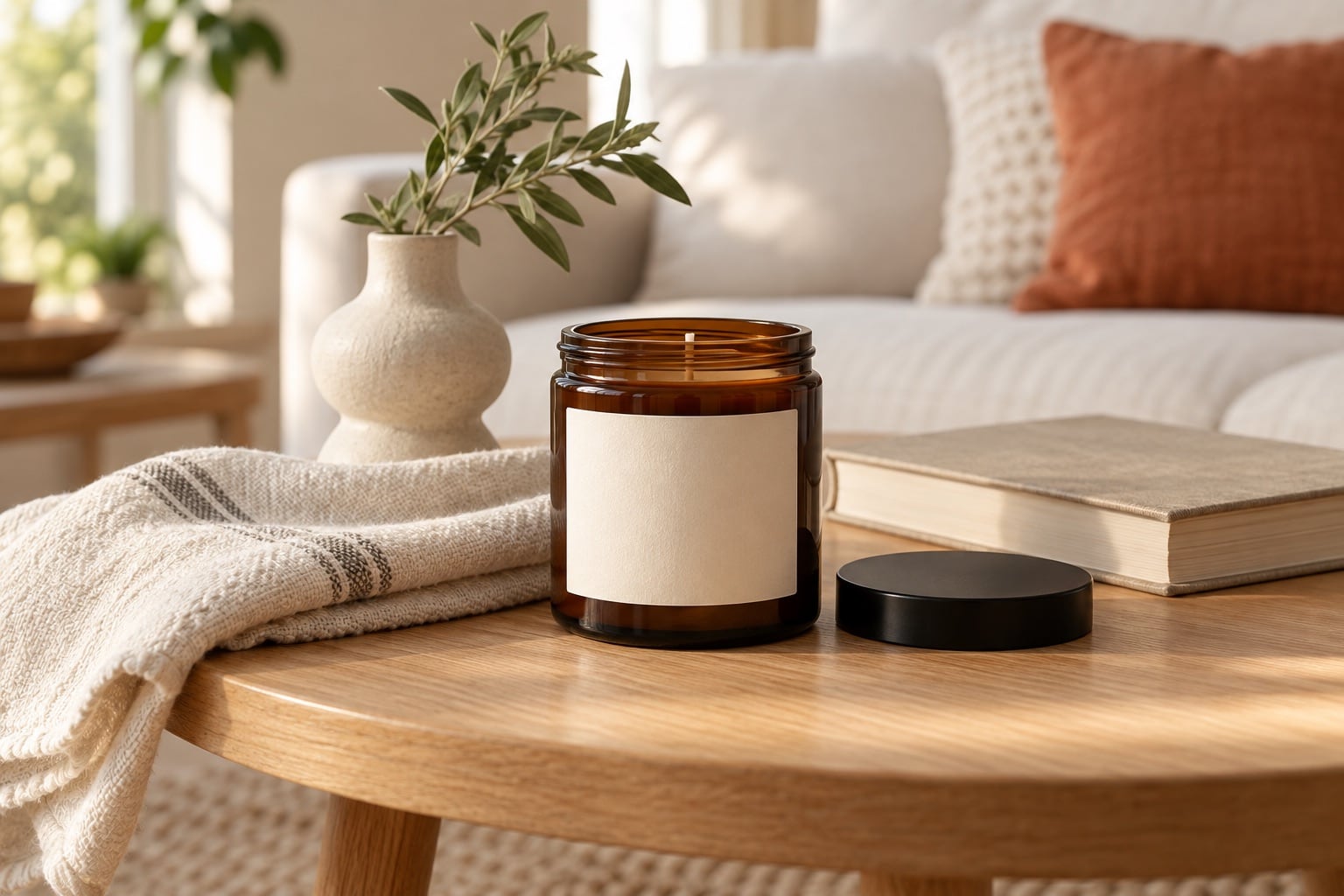
Lifestyle photography places the product in a setting. It can communicate scale, an intended use, a mood or how several items work together. Its composition is often built around a campaign or a particular space on your website.
A coloured background does not automatically make an image lifestyle photography. A clean packshot can use a brand colour. The more useful distinction is what the photograph helps the buyer understand.
Choose according to the customer’s question
| Customer question | Useful image to commission |
|---|---|
| What exactly am I buying? | A clear main packshot showing the actual item or contents of the set |
| What is the finish like? | A well-lit detail view of the texture, fastening or other distinguishing feature |
| How big is it? | An agreed scale or context image, supported by accurate product dimensions in the listing |
| How might it fit into my home? | A relevant lifestyle composition that makes the product’s role clear |
| Does it belong to a matching range? | A considered group image alongside individual product views |
One photograph can answer more than one question, but trying to show everything in a single composition can make the image harder to read. Identify the question each proposed view should answer before adding it to the shot list.
Plan a first launch with a small, purposeful image set
For a new range, start by listing the images needed to make every product page understandable. A common planning approach is a main view for each item plus the details that distinguish it. Then select the products or groups that need campaign imagery.
An illustrative launch plan
A six-product candle range could use six consistent main packshots, detail views where the lids or finishes differ, and one styled group photograph for a collection banner. The group image has a different job from the individual listings. This example is a starting point for a brief, not a fixed package.
If the budget is limited, identify which photographs are essential to launch and which can be commissioned later. Do not assume that every colour variant needs its own elaborate styled scene. Equally, do not omit a view that explains a genuinely different feature.
Brief packshots and lifestyle images separately
For packshots, define the camera angle, crop, background and product scale across the range. Specify which faces of the packaging or product must be visible. If you are matching an existing catalogue, supply its reference image.
For lifestyle photography, describe the intended use and the space the image must fit. A landscape banner may need clear space for text; a social campaign may need several crops. Agree who supplies props, how they will be used, whether people or a location are involved, and what those arrangements mean for the quotation.
Our lifestyle service includes photographed sets and, where suitable, compositions combining a product photograph with a stock setting. Discuss that choice at the start. The product’s angle, lighting and perspective need to suit the setting, and any stock-image use needs to be included in the agreed scope.
Styled images should still represent the product accurately. Avoid a prop arrangement that changes the apparent contents of a set or hides a feature the buyer needs to see. Treat dimensions and product information as part of the listing, rather than expecting styling alone to establish scale.
Keep the two styles part of one range
Choose a consistent treatment of colour and materials across both sets. A product should not look like a different shade when someone moves from the campaign banner to its product page. Give the studio the same physical samples and colour references where possible.
Review a proposed composition at the size people will see it, especially on a phone. Small details may disappear when a wide image is cropped. Ask your designer which parts of an image need to remain visible on smaller screens before the shoot.
To decide what suits your products, compare our product photography service with our lifestyle photography examples. Then send the product list, the page or campaign you are preparing, and the customer questions the photographs need to answer.